Inflation has been gnawing at consumer purchasing power for months, pushing up the costs of basic goods and eroding profit margins. Even essential items like rice, lentils, cooking oil, and electricity have seen repeated price hikes, forcing families to stretch budgets thinner each month. For businesses, this spells reduced consumer demand, lower sales, and an urgent need to scale back non-essential expenditures—advertising being one of the first casualties.Compounding the problem is the devaluation of the Bangladeshi taka. Over the past year, the local currency has depreciated sharply against the US dollar, making imported raw materials more expensive. For companies dependent on global supply chains, such as electronics retailers or FMCG producers, the cost of production has soared. Rather than absorbing the loss or passing on full costs to customers—who are already reeling from inflation—many businesses are suspending their marketing activities altogether to shore up internal finances.
As part of the government’s strategy to control inflation, the central bank has raised policy interest rates, which has led commercial bank lending rates to spike significantly—often exceeding 13–14%. For businesses, especially small and medium-sized enterprises (SMEs), this has made accessing working capital extremely expensive. Traditional marketing strategies, once considered vital to brand survival and growth, are now seen as luxuries in such a tight credit environment. Instead, businesses are redirecting funds toward managing overheads, servicing debt, or simply staying afloat. As a result, even during major commercial seasons like Eid-ul-Adha and Puja, the volume of advertising—especially print and broadcast—has dropped to levels not seen in over a decade.
The Fall in Traditional Media Revenues
The cutbacks are taking a toll on the country’s already fragile media ecosystem. Major newspapers and television channels, which rely heavily on corporate advertising for revenue, are seeing their income streams dry up. In the past, a single retail giant or steel conglomerate could purchase several pages of print advertising in a week. Today, media houses are seeing only a fraction of that volume. "This Ramadan, we expected a boost in ad bookings—but it never came," lamented a senior executive at a leading national daily. "Our revenue from advertisements has dropped by nearly 40% compared to the same period last year." For television networks, it's even more concerning. Prime-time slots that would once command top prices from brands promoting mobile phones, detergents, and packaged snacks are now filled with reruns and minimal ad placements.
Some companies are pivoting toward more cost-effective digital platforms such as Facebook, YouTube, and Google Ads. These platforms allow brands to target specific demographics with smaller budgets, tracking every impression and click. However, not all businesses are agile enough to make this transition, and many still lack the expertise or confidence in digital ROI. “There is interest in digital advertising, especially among the younger brands,” says Nadia Khan, a digital media consultant based in Dhaka. “But budget constraints are limiting even those moves. Many are just pausing all marketing altogether and waiting for more economic stability.” Moreover, digital campaigns may offer reach but can’t replace the credibility or mass impact that traditional platforms like television and newspapers provide—especially in rural or semi-urban areas where internet penetration remains inconsistent.
The impact spans across various sectors. In the steel and construction industry, for example, manufacturers of mild steel rods and cement have scaled down promotional activities due to a construction slowdown. Many infrastructure projects are stalled due to lack of funding, and private developers are holding back due to high interest rates on loans. In the fast-moving consumer goods (FMCG) industry, companies producing snacks, bottled beverages, personal hygiene products, and household items have shifted focus toward trade promotions—targeting retailers with direct incentives instead of consumers through ads. Retail electronics has been another major casualty. With prices of imported electronics rising sharply and middle-class purchasing power declining, major brands like Walton, Samsung, and Sony have reduced television and newspaper ads in favor of showroom-level discounts and minimal social media announcements. Even telecom operators—once among the top five advertising spenders in the country—are pulling back. An executive from a top telecom company mentioned, "We're being forced to prioritize core network expansion and subscriber retention over flashy marketing campaigns."
The ongoing cutbacks in advertising reflect more than just cautious accounting—they signal a broader erosion of business confidence. Prolonged reduction in brand visibility can harm long-term customer loyalty and market share, particularly in competitive sectors. If the current trends continue, industry experts warn of a “brand vacuum,” where even once-dominant names lose relevance due to lack of visibility. For the media industry, the risks are existential. Journalists, production staff, and editors are already facing job insecurity, delayed salaries, and increased workloads. Smaller media houses may be forced to downsize or shut operations altogether if advertising does not recover soon.
There are faint glimmers of hope. The government has signaled that it may look into monetary adjustments later in the fiscal year, potentially lowering interest rates if inflation shows consistent signs of easing. Some banks are also starting to offer sector-specific lending packages at slightly reduced rates, particularly for exporters and manufacturers. Meanwhile, the upcoming fiscal budget may include measures aimed at boosting investor confidence, easing import bottlenecks, and expanding support for small businesses—developments that, if executed efficiently, could help restore the advertising ecosystem. However, industry players agree that a full recovery may still be many months away. Until inflation is under control, the currency stabilizes, and banks offer more accessible credit, most businesses are likely to remain cautious about spending on brand-building.
The current lull in Bangladesh’s advertising scene is not just a reflection of corporate thrift but a mirror to a larger economic narrative. Businesses are in survival mode, consumers are cautious, and the media is gasping for breath. Advertising, long considered the engine of consumer economies, has now become a luxury for many. And unless broader macroeconomic challenges are addressed, this advertising drought could leave a long-lasting imprint on the country’s economic and cultural fabric.
ইউরোপের রাজধানী ব্রাসেলসে আজ ইউরোপীয় ইউনিয়নের শীর্ষ নেতারা একটি বিশেষ শীর্ষ সম্মেলনে মিলিত হয়েছেন, যার মূল উদ্দেশ্য ইউক্রেন যুদ্ধের জটিল পরিস্থিতিতে শান্তি আলোচনা জোরালো করা। এই বৈঠকে ইউরোপীয় ইউনিয়নের পাশাপাশি মার্কিন যুক্তরাষ্ট্র ও যুক্তরাজ্যের উচ্চপর্যায়ের প্রতিনিধিরাও উপস্থিত আছেন। গত বছরের শুরু থেকে রাশিয়া-ইউক্রেন যুদ্ধ বিশ্ব রাজনীতিতে এক বিশাল অস্থিরতা সৃষ্টি করেছে। যুদ্ধের কারণে সারা ইউরোপ এবং বিশ্বজুড়ে জ্বালানি ও খাদ্য নিরাপত্তা সংকট বৃদ্ধি পেয়েছে। তাই ইউরোপীয় নেতারা এখন যুদ্ধবিরতি এবং স্থায়ী শান্তির জন্য একটি সুস্পষ্ট রোডম্যাপ তৈরিতে কাজ করছেন। ইউরোপীয় কমিশনের প্রেসিডেন্ট উরসুলা ভন ডার লেয়েন বলেন, “আমরা যুদ্ধের মানবিক সংকট বুঝতে পারি এবং এখন আমাদের দায়িত্ব এটি দ্রুত শেষ করার পথ খোঁজা। আমাদের প্রত্যেকের জন্যই শান্তি এবং স্থিতিশীলতা অপরিহার্য।” এই বৈঠকে অস্ত্রবিরতি চুক্তি, যুদ্ধাপরাধ তদন্ত, পুনর্বাসন কার্যক্রম এবং পূর্ব ইউরোপে নিরাপত্তা ব্যবস্থার উন্নয়ন নিয়ে বিস্তারিত আলোচনা হয়েছে। এছাড়া, খাদ্য ও জ্বালানি সংকট মোকাবিলায় আন্তর্জাতিক সমন্বয়ের কথাও বলা হয়েছে। বিশ্লেষকদের মতে, যদিও আন্তর্জাতিক বৈঠকগুলো যুদ্ধ সমাপ্তির নিশ্চয়তা দেয় না, তবে এগুলো যুদ্ধবিরতির সম্ভাবনা বাড়াতে এবং ভবিষ্যতের স্থিতিশীলতা গড়ে তুলতে গুরুত্বপূর্ণ ভূমিকা পালন করে।
দেশের বিভিন্ন স্তরের শিক্ষার্থীদের মানসিক স্বাস্থ্যে মারাত্মক প্রভাব ফেলছে ক্রমবর্ধমান পরীক্ষার চাপ এবং পরিবারের পাশাপাশি সমাজের অযৌক্তিক প্রত্যাশা। এ দুটি কারণ মিলেই শিক্ষার্থীদের মধ্যে উদ্বেগ, বিষণ্নতা এবং আত্মবিশ্বাসের সংকট বেড়ে চলেছে বলে জানিয়েছেন শিক্ষা বিশেষজ্ঞ ও মনোবিজ্ঞানীরা। ফলাফলকেন্দ্রিক দৃষ্টিভঙ্গি বাড়াচ্ছে উদ্বেগ বর্তমান শিক্ষাব্যবস্থায় ভালো ফলাফল করা যেন শিক্ষার্থীর একমাত্র উদ্দেশ্য হয়ে দাঁড়িয়েছে। পরিবার, স্কুল এবং সমাজ—সব জায়গা থেকেই উচ্চ ফলাফলের প্রত্যাশা তৈরি করছে মানসিক চাপের একটি অব্যক্ত বলয়। একাদশ শ্রেণির শিক্ষার্থী রাইহান কবির বলেন, “পরীক্ষায় নম্বর কম পেলে মনে হয়, শুধু আমি না, আমার পুরো পরিবার ব্যর্থ হয়ে যাচ্ছে। এটা সহ্য করা খুব কঠিন।” শুধু রাইহান নয়, দেশের নানা প্রান্তের শিক্ষার্থীরা একই অভিজ্ঞতার কথা বলছে। সামাজিক চাপ ও তুলনার সংস্কৃতি পরিস্থিতি করছে আরও জটিল পরীক্ষার নম্বর নিয়ে প্রতিযোগিতা শুধু শ্রেণিকক্ষে সীমাবদ্ধ নয়—এখন তা সামাজিক মাধ্যমে ভাইরাল হওয়া গর্ব বা অপমানের বিষয় হয়ে দাঁড়িয়েছে। কে কোন কলেজে ভর্তি হলো, কে কতো পেল—এসব তুলনার চাপে পড়াশোনার আনন্দ অনেকটাই হারিয়ে যাচ্ছে। ঢাকা বিশ্ববিদ্যালয়ের ক্লিনিক্যাল সাইকোলজি বিভাগের সহযোগী অধ্যাপক ড. ফারহানা তাবাসসুম বলেন, “প্রত্যাশা থাকা ভালো, কিন্তু তা যদি অতিরিক্ত হয়ে যায় এবং একজন শিক্ষার্থীর নিজস্ব সক্ষমতা উপেক্ষা করে চাপিয়ে দেওয়া হয়, তাহলে তা আত্মসম্মানবোধ নষ্ট করে দেয়। এ থেকেই জন্ম নেয় আত্মগ্লানি, হতাশা এবং মাঝে মাঝে আত্মহননের চিন্তা।” জরিপে উঠে এসেছে উদ্বেগজনক তথ্য জাতীয় মানসিক স্বাস্থ্য ইনস্টিটিউট পরিচালিত এক সমীক্ষায় দেখা যায়, শহরাঞ্চলের মাধ্যমিক ও উচ্চ মাধ্যমিক পর্যায়ের শিক্ষার্থীদের মধ্যে প্রায় ৩৫ শতাংশ নিয়মিত মানসিক চাপে থাকে। এর মধ্যে ১২ শতাংশ বিষণ্নতায় ভোগে এবং বড় একটি অংশ কোনো রকম চিকিৎসা ছাড়াই দিন পার করে। বিশেষজ্ঞরা বলছেন, এই পরিস্থিতি অব্যাহত থাকলে ভবিষ্যতে একটি বড় অংশ কর্মজীবনে প্রবেশের আগেই মানসিকভাবে ভেঙে পড়বে, যা ব্যক্তিগত ও সামষ্টিক উভয় পর্যায়ে ক্ষতিকর। সমাধানে প্রয়োজন সমন্বিত উদ্যোগ মনোবিজ্ঞানীরা মনে করেন, শিক্ষাপ্রতিষ্ঠানে নিয়মিত কাউন্সেলিং, শিক্ষকদের প্রশিক্ষণ, এবং পরিবারের ইতিবাচক ও সহানুভূতিশীল আচরণ এই সমস্যার নিরসনে কার্যকর ভূমিকা রাখতে পারে। বাংলাদেশ শিশু একাডেমির এক গবেষণায় বলা হয়েছে, যেসব স্কুলে শিক্ষার্থীদের মানসিক স্বাস্থ্য নিয়ে নিয়মিত কার্যক্রম হয়, সেখানে তাদের একাডেমিক পারফরম্যান্স ও আত্মবিশ্বাস তুলনামূলকভাবে বেশি দেখা যায়। শিক্ষাবিদরা বলছেন, শিক্ষাকে কেবল ফলাফলের সীমায় না এনে একটি মানবিক ও ব্যক্তিকেন্দ্রিক দৃষ্টিভঙ্গি প্রয়োগ করতে হবে। তাহলেই শিক্ষার্থীরা চাপ নয়, ভালোবাসা থেকে শিখবে, এবং গড়ে উঠবে একটি সুস্থ প্রজন্ম।
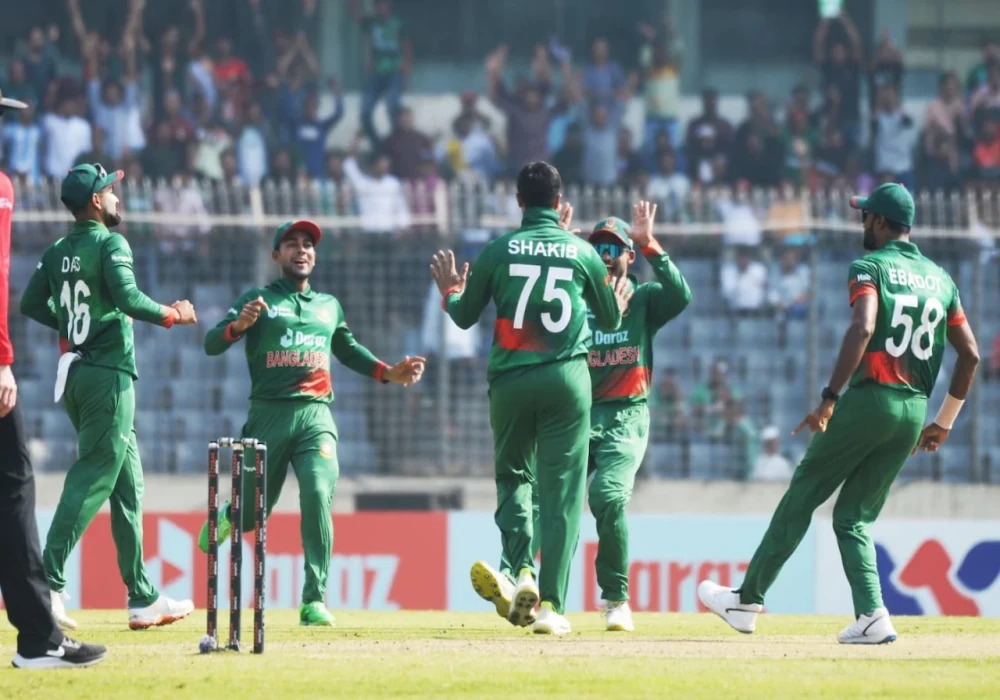
ঢাকা, ২৬ জুন ২০২৫ – দেশের ঘরোয়া ক্রিকেট লিগ বাংলাদেশ প্রিমিয়ার লিগ (বিপিএল) এ এবারও উত্তেজনার পারদ চড়েছে। সম্প্রতি অনুষ্ঠিত ঢাকা ডায়নামাইটস ও চট্টগ্রাম চ্যালেঞ্জার্সের মধ্যকার ম্যাচটি দর্শকদের জন্য ছিল এক অনবদ্য ক্রিকেট মহোৎসব। উভয় দলই মাঠে লড়াই করেছে আত্মবিশ্বাসের সঙ্গে, যা খেলা থেকে শুরু করে শেষ পর্যন্ত অবিরাম উত্তেজনা সৃষ্টি করেছে। ঢাকার বিপক্ষে চট্টগ্রামের বোলাররা শক্তিশালী বোলিং প্রর্দশন করেছে এবং গুরুত্বপূর্ণ উইকেট নিয়েছে। তবে ঢাকা ডায়নামাইটসের ব্যাটসম্যানরা ধীরে ধীরে রানের গতিকে ধরে রেখে শেষ পর্যন্ত বড় সংগ্রহ গড়তে সক্ষম হয়েছে। ম্যাচ শেষে ঢাকা ডায়নামাইটস ১৫০ রান করে, যা প্রতিহত করতে চট্টগ্রাম ব্যাটসম্যানরা নেমেছে। এই ম্যাচে ঢাকার তরুণ ব্যাটসম্যান সোহেল রহমান তার অর্ধশতক দিয়ে দলকে বিপর্যয় থেকে রক্ষা করেছেন। চট্টগ্রামের পেসার আবু বক্কর ম্যাচে চার উইকেট নিয়েছেন, যা দলের জন্য খুবই গুরুত্বপূর্ণ অবদান। খেলোয়াড়দের পারফরম্যান্সের পাশাপাশি কোচিং স্টাফ ও দলের কৌশল নিয়েও বিশেষ আলোচনা হয়েছে। ঘরোয়া ফুটবলেও চলেছে তীব্র লড়াই। বাংলাদেশ ফুটবল ফেডারেশনের আয়োজনে অনুষ্ঠিত জাতীয় লীগে ঢাকার কয়েকটি দল নিজেদের মধ্যে প্রতিদ্বন্দ্বিতা চালিয়ে যাচ্ছে। বিশেষ করে ঢাকা ইউনাইটেড ও রাজশাহী রেঞ্জার্সের ম্যাচে লক্ষ্যণীয় ছিল দলের স্ট্র্যাটেজি ও খেলোয়াড়দের দক্ষতা। দুই দলই সমানভাবে সুযোগ তৈরি করেছে, যার ফলে ম্যাচটি সমবয়স্ক ও উত্তেজনাপূর্ণ হয়েছে। এছাড়া দেশের বিভিন্ন জেলার ক্রীড়া সংস্থা ও ক্লাবগুলো নিয়মিত টুর্নামেন্ট ও প্রশিক্ষণ শিবির পরিচালনা করছে, যা দেশের ক্রীড়া ক্ষেত্রের উন্নয়নে ইতিবাচক প্রভাব ফেলছে। বিশেষজ্ঞরা মনে করেন, দেশের ঘরোয়া ক্রীড়া আরও বেশি মনোযোগ ও বিনিয়োগ পেলে আন্তর্জাতিক পর্যায়ে বাংলাদেশের ক্রীড়াবিদদের জন্য বড় সুযোগ তৈরি হবে। তারা বলেন, “ঘরোয়া পর্যায়ে নিয়মিত প্রতিযোগিতা ও দক্ষ প্রশিক্ষণ দেশের খেলোয়াড়দের সক্ষমতা বাড়ায় এবং জাতীয় দলের শক্তি বৃদ্ধিতে সহায়ক।” পরবর্তী মাসগুলোতে ঘরোয়া ক্রিকেট ও ফুটবলের নানা ম্যাচ ও টুর্নামেন্ট অনুষ্ঠিত হওয়ার কথা থাকায় খেলাধুলাপ্রেমীরা নতুন রোমাঞ্চের প্রত্যাশায় রয়েছেন।
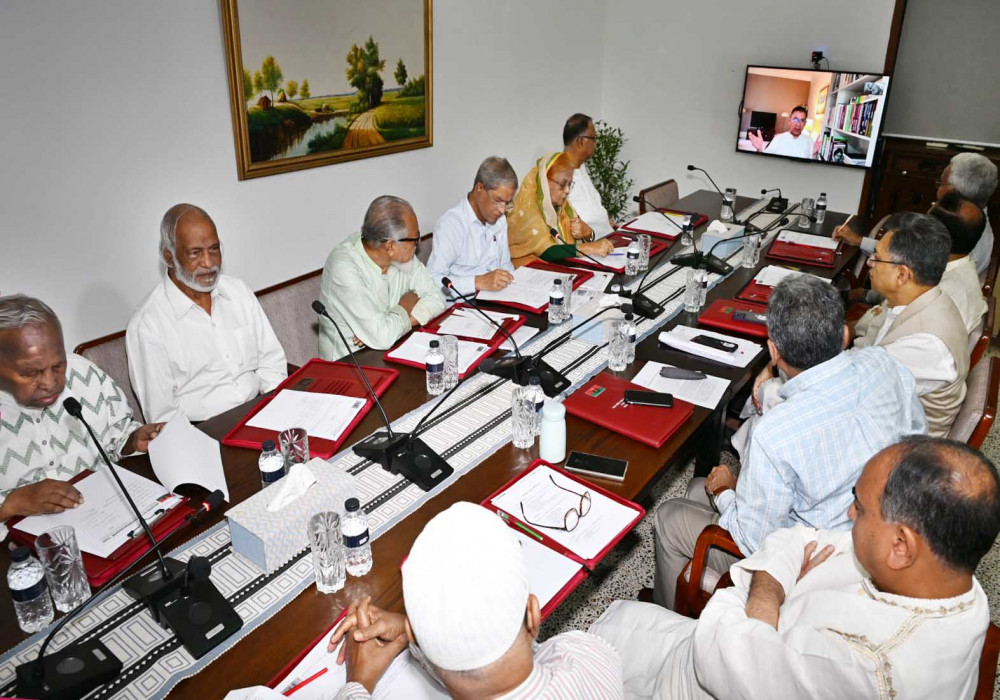
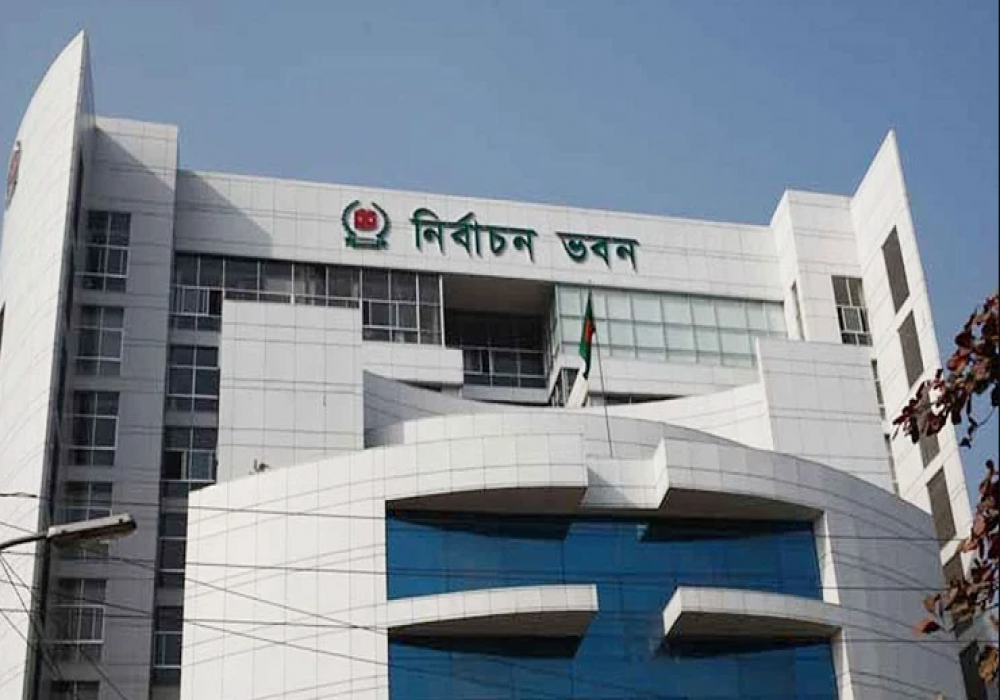
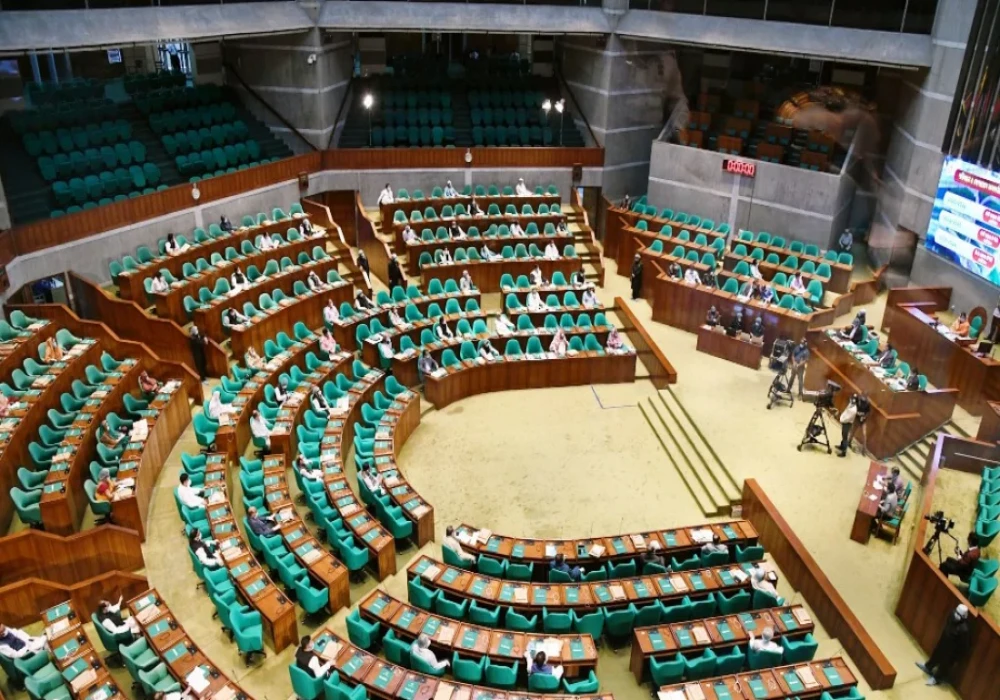
নির্বাচন কমিশন (ইসি) আগামী জাতীয় সংসদ নির্বাচনকে কেন্দ্র করে নতুন রোডম্যাপ প্রকাশ করেছে, যা দেশের রাজনৈতিক অঙ্গনে নতুন আলোচনার জন্ম দিয়েছে। এই রোডম্যাপে নির্বাচন আয়োজনের বিস্তারিত সময়সূচি, প্রাথমিক প্রস্তুতি, নির্বাচনী পরিবেশ তৈরি এবং ভোট গ্রহণের কাঠামো স্পষ্টভাবে উপস্থাপন করা হয়েছে। এর মাধ্যমে ইসি প্রমাণ করতে চেয়েছে যে, তারা একটি অবাধ, সুষ্ঠু ও গ্রহণযোগ্য নির্বাচন আয়োজনের জন্য প্রস্তুত। প্রকাশিত রোডম্যাপ অনুযায়ী, ভোটার তালিকা হালনাগাদ থেকে শুরু করে নতুন ভোটার অন্তর্ভুক্তি, ভোটকেন্দ্র সংস্কার, নির্বাচনী আসনের সীমা পুনঃনির্ধারণ, পর্যবেক্ষক নিবন্ধন, ইভিএম প্রস্তুতি ও নির্বাচনী কর্মীদের প্রশিক্ষণ—সবকিছুই ধাপে ধাপে বাস্তবায়ন করা হবে। কমিশনের দাবি, এসব কার্যক্রমের মধ্য দিয়ে জনগণের আস্থা ফেরানো ও নির্বাচন প্রক্রিয়ার স্বচ্ছতা নিশ্চিত করা সম্ভব হবে। তবে এই রোডম্যাপ প্রকাশের পর রাজনৈতিক অঙ্গনে মিশ্র প্রতিক্রিয়া দেখা গেছে। ক্ষমতাসীন দল এটিকে সময়োপযোগী ও দায়িত্বশীল পদক্ষেপ হিসেবে স্বাগত জানিয়েছে। তাদের মতে, কমিশন নিরপেক্ষভাবে কাজ করছে এবং এই রোডম্যাপ একটি স্থিতিশীল নির্বাচনী পরিবেশ গঠনে সহায়ক হবে। অপরদিকে, বিরোধী দলগুলো রোডম্যাপকে একতরফা ও বিভ্রান্তিকর দাবি করে বলেছে—এটি শুধু সময়ক্ষেপণের কৌশল, যেখানে প্রকৃত সমস্যার সমাধানে কোনো পদক্ষেপ নেই। বিশেষজ্ঞদের মতে, রোডম্যাপ প্রকাশ করাই যথেষ্ট নয়, বরং বাস্তবায়ন প্রক্রিয়াই আসল চ্যালেঞ্জ। অতীতে দেখা গেছে, অনেক সময় রোডম্যাপে সুন্দর পরিকল্পনা থাকলেও বাস্তবে তা পূর্ণরূপে কার্যকর হয়নি। বিশেষ করে আইন প্রয়োগকারী সংস্থার নিরপেক্ষতা, রাজনৈতিক সহনশীলতা এবং ভোটারদের নিরাপত্তা নিশ্চিত না হলে রোডম্যাপ কাগজে সীমাবদ্ধ থেকেই যাবে। নির্বাচনী পরিবেশ তৈরিতে কমিশনের করণীয় অনেক। একদিকে যেমন রাজনৈতিক দলগুলোর সঙ্গে ধারাবাহিক সংলাপ চালিয়ে যাওয়া জরুরি, তেমনি প্রশাসন ও নিরাপত্তা বাহিনীর ওপর জনসাধারণের আস্থা নিশ্চিত করাও প্রয়োজন। কারণ একটি অবাধ নির্বাচন শুধু সময়সূচির ওপর নয়, বরং পুরো প্রক্রিয়ার বিশ্বাসযোগ্যতার ওপর নির্ভর করে। নির্বাচন কমিশনের ভাষ্যমতে, আগামী ডিসেম্বরের মধ্যেই সব প্রস্তুতি সম্পন্ন করে নির্বাচনের দিন ঘোষণা করা হতে পারে। তবে এই সময়ের মধ্যে রাজনৈতিক দলগুলোর অংশগ্রহণ, পর্যবেক্ষক সংস্থাগুলোর অনুমোদন এবং নির্বাচনী আইন সংশোধন—এসব বিষয়ে কার্যকর অগ্রগতি প্রয়োজন। রোডম্যাপে এসব বিষয় যুক্ত থাকলেও বাস্তবে কতটুকু অগ্রগতি হবে, সেটাই এখন দেখার বিষয়। সাধারণ জনগণ এই রোডম্যাপকে ইতিবাচকভাবে দেখলেও তারা চান এর বাস্তব প্রতিফলন। কারণ অতীতে নির্বাচন নিয়ে নানা ধরনের অভিযোগ ও সহিংসতার কারণে মানুষ আস্থাহীনতায় ভুগেছে। একটি অংশগ্রহণমূলক, সহিংসতামুক্ত ও নিরপেক্ষ নির্বাচনই পারে দেশের গণতান্ত্রিক ধারা বজায় রাখতে। সবশেষে বলা যায়, নির্বাচন কমিশনের এই রোডম্যাপ রাজনৈতিক অচলাবস্থার অবসান ঘটাতে পারে, যদি তা কার্যকরভাবে বাস্তবায়ন হয় এবং সব পক্ষ এতে আস্থা রাখে। শুধু ঘোষণা নয়, দরকার সম্মিলিত প্রয়াস ও রাজনৈতিক সদিচ্ছা—যা একটি গ্রহণযোগ্য নির্বাচনের মূল ভিত্তি হতে পারে।
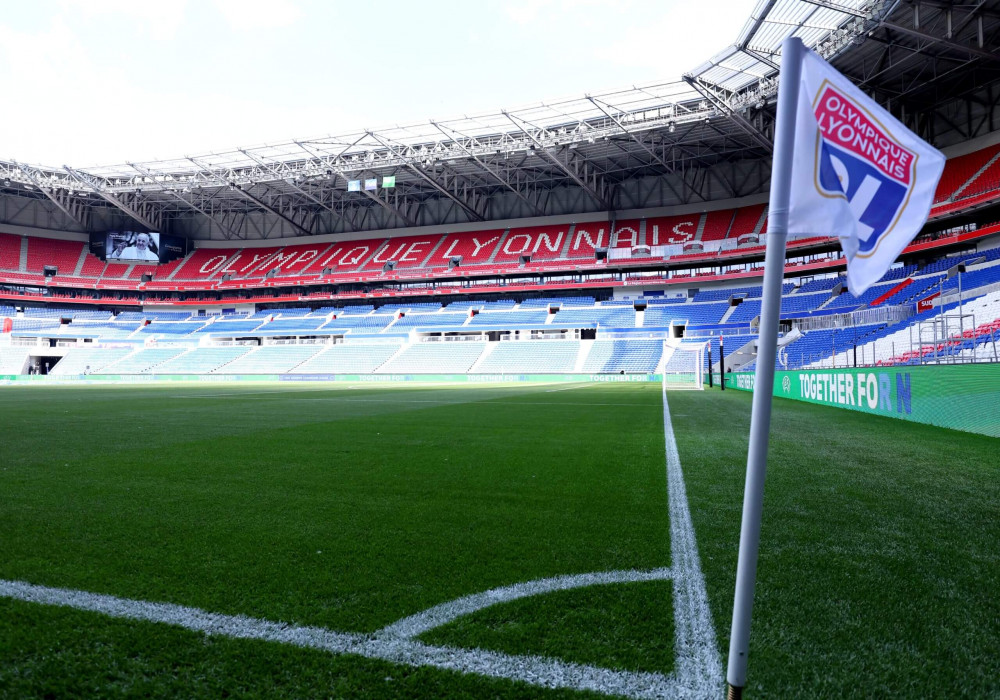
ফ্রান্সের সাতবারের চ্যাম্পিয়ন Olympique Lyonnais (OL) এক বিপদের মুখে পড়েছে — ক্রীড়া না খেলার কারণে নয়, বরং আর্থিক অস্বচ্ছতা ও ঋণ বোঝাইয়ের কারণে তাদের শাস্তি হিসেবে অ্যাডমিনিস্ট্রেটিভভাবে Ligue 1 থেকে Ligue 2-তে নামানো হয়েছে। কী ঘটেছে? LFP-র নিয়ন্ত্রক সংস্থা DNCG ২০২৪ সালের নভেম্বরেই Lyonকে আর্থিক অস্থিতিশীলতার জন্য সতর্ক করেছিল। তারপরও ক্লাব দেড়শো মিলিয়নের বেশি নিশ্চিত তহবিল না জমিয়ে জুনে তাদের নিশ্চিতভাবে অবনমনের নির্দেশ দেন aftonbladet.se+15beinsports.com+15en.wikipedia.org+15reddit.com+1reddit.com+1reddit.com+4indiatoday.in+4indiatoday.in+4। OL-এর মালিক John Textor আর ইকোনমিক পরিস্থিতি নিয়ে তাদের সতর্কতা উপেক্ষা করে; যদিও মেডিয়া সেলস এবং প্লেয়ার ট্রান্সফার থেকে আয় ছিল, তাও DNCG-কে মিটাতে পারল না । ক্লাব ও মালিক অভিযোগ করছে, “আমরা যথেষ্ট তহবিল জমিয়েছি, এবং ঠান্ডা মাথায় দেখি কিভাবে এটা অলিম্পিক উইথ এফেল্ট করবে”—তাই তারা আপিল জমা দিয়েছে । আর্থিক পটভূমি & ঋণের পরিমাণ DNCG রিপোর্ট অনুযায়ী, OL-এর দেড়শো মিলিয়ন ইউরোর ঋণ আছে। John Textor-এর হোল্ডিং সংস্থা Eagle Football Group-এর দায়ও প্রায় €445–422 মিলিয়ন reddit.com+15ft.com+15indiatoday.in+15। ক্যাপিটাল ইনজেকশনের অধীনে Crystal Palace-এর একটি স্টেক বিক্রি করার পরও Lyon তাদের আর্থিক স্বচ্ছতা প্রতিষ্ঠা করতে পারেনি indiatoday.in। ক্লাবের প্রতিক্রিয়া Lyon তাদের অবনমন "বিশ্বাসঘাতক ও অযৌক্তিক" বলেছে এবং দ্রুত apel (appeal) জমা দিয়েছে । প্রসঙ্গত, সাম্প্রতিক সময়ে ক্লাবের মালিক কিছু কার্যক্রম নিয়েছেন: Crystal Palace থেকে স্টেক বিক্রি, নারী দলের বিক্রি, প্লেয়ার বিক্রয়াদি — যাতে নগদ প্রবাহ বাড়ানো যায় । ক্রীড়া প্রভাব যদিও Lyon লিগে ছয় নম্বরে শেষ করেছে এবং ইউরোপে জায়গা পেয়েছিল, প্রশাসনিক অবনমন ইউরোপীয় প্রতিযোগিতায় বাধা হিসেবে দাঁড়াতে পারে indiatoday.in+13theplayoffs.news+13talksport.com+13। UEFA মাল্টি‑ক্লাব হয়রানির কারণে Lyon-এ Europa League-র কোটা নিয়ে সন্দেহ তৈরি হচ্ছে; কৃষকভাবে তারা ডিসকোয়ালিফাইড হলে অন্য ক্লাব যেমন Strasbourg বা Crystal Palace প্রভাবিত হতে পারে । কি হতে পারে পরবর্তী ধাপ? DNCG‑তে আপিল: Lyon-এর আপিল সপ্তাহের মধ্যে নিষ্পত্তি হওয়ার সম্ভাবনা আছে thekenyatimes.com+10as.com+10beinsports.com+10। অর্থ সংকটের পুনর্মূল্যায়ন: ক্লাবকে সম্ভবত নতুন গ্যারান্টি দেখাতে হবে। যদি পুনরায় ব্যর্থ হয়, তাহলে তাদের স্থান ধরে নিতে পারে Stade Reims । ইউরোপ ব্যবস্থা: Lyon নিশ্চিত করতে চাইবে Europa League-এ খেলতে পারে কি না—UEFA-মাল্টি ownership বিষয়েও সিদ্ধান্ত নিতে হবে। সারসংক্ষেপ বিষয় বিবরণ স্থিতি DNCG-র প্রশাসনিক সিদ্ধান্ত: Ligue 2-এ অবনমন ঋণের পরিমাণ প্রায় €422–445 মিলিয়ন যোগ্যতা Ligue 1-এ 6ম স্থান; ইউরোপে Europa League-এ জায়গা দেওয়া হয়েছিল ক্লাব প্রতিক্রিয়া “অযৌক্তিক” বলছে, আপিলে যাচ্ছে + ফান্ড সংগ্রহে কিছু সিদ্ধান্ত নেয় তারা ইউরোপীয় প্রভাব মাল্টি-ক্লাব ownership বিষয় নিয়ে UEFA সিদ্ধান্ত অপেক্ষায় Olympique Lyonnais-বিশ্বের এক ঐতিহ্যবাহী ক্লাব, তবে তাদের আর্থিক নীতির ভঙ্গ হয়েছিল বেশ কয়েকবার। উপরে উল্লেখিত সম্ভাব্য প্রতিক্রিয়া ও আপিল ব্যবস্থা তাদের ভবিষ্যৎ নিশ্চিত করতে পারে — কিন্তু তা না হলে দ্বিতীয় বিভাগে নামা তাদের ইতিহাসে সবচেয়ে বড় ধাক্কা। ক্লাব ও সমর্থকদের নজর এখন শুধু খেলোয়াড়ি প্রতিযোগিতা নয়, বরং অর্থনৈতিক দায়বদ্ধতা ও নিয়ন্ত্রক মান বজায় রাখা—এই গুরুত্বপূর্ণ বিষয়ে থাকবে।